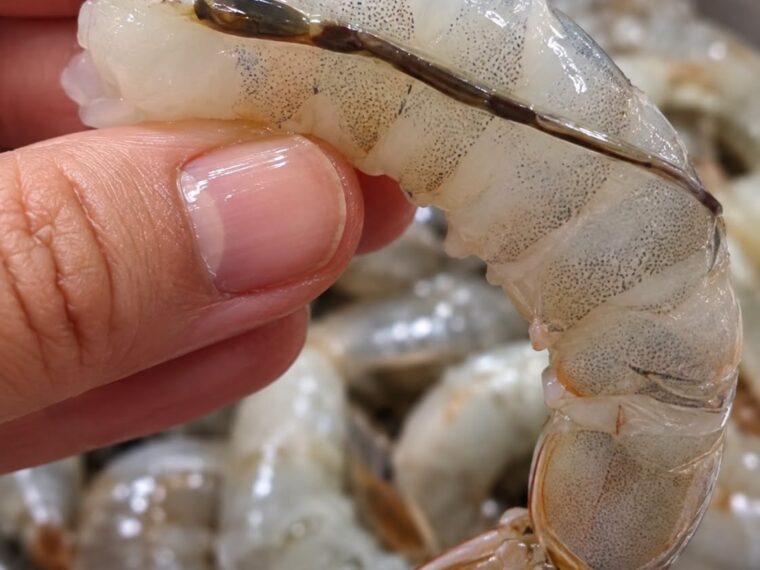
How To Prepare Shrimp and Why You Shouldn’t Eat That ‘Black Vein’ becomes much easier once you understand what that dark line actually is. Many people call it a vein, but it is not a blood vessel. The dark line running along the back of a shrimp is its intestinal tract. Depending on what the shrimp consumed before harvest, the tract may contain digestive material, sand, or grit.
That sounds unpleasant, but accidentally eating the dark line usually does not make properly handled and cooked shrimp unsafe. Still, removing it can improve appearance and may prevent an occasional gritty bite. Proper handling, refrigeration, and thorough cooking matter much more for food safety.
I remember preparing a large batch of raw shrimp and wondering why some had a very noticeable dark line while others seemed completely clean. At first, I assumed every shrimp needed complicated cleaning. Once I learned what the line actually was, the process became much simpler. A shallow cut down the back exposed it, and the tip of a small knife lifted it out easily. More importantly, I learned that cleaning shrimp and safely handling raw seafood are two different things. Removing the intestinal tract improves presentation, while keeping shrimp cold, preventing cross-contamination, and cooking it properly handle the more important safety concerns.
What That Black Line in Shrimp Really Is
It Is the Shrimp’s Intestinal Tract
Despite the familiar name “shrimp vein,” the black line along the back is actually part of the shrimp’s digestive system. It can appear dark brown, black, gray, or occasionally almost transparent.
Its appearance can vary because the tract may contain different amounts of material. Therefore, one shrimp might have a prominent dark line while another shrimp from the same package barely shows one.
The line itself does not automatically mean the shrimp has spoiled. Likewise, a visible intestinal tract does not tell you whether the shrimp is fresh.
Spoilage produces other warning signs. For example, shrimp with an unusually strong, sour, or ammonia-like odor should raise concern. Texture and proper storage also matter when evaluating seafood.
The dark tract primarily creates an appearance and texture issue. Since it can contain digestive material or tiny particles of sand, leaving it intact may occasionally produce an unpleasant gritty sensation.
For that reason, many people prefer deveined shrimp, particularly when preparing large shrimp where the tract becomes more noticeable.
However, the tract often becomes difficult to see in very small shrimp. Removing it from dozens of tiny shrimp may provide little practical benefit.
Understanding this distinction makes shrimp preparation much less intimidating. You are not removing a dangerous blood vessel. Instead, you are removing an intestinal tract mainly for cleanliness, appearance, and eating quality.
Why Removing It Can Improve Shrimp
Deveining shrimp creates a cleaner-looking finished dish. This matters particularly when shrimp serves as the main attraction.
Think about grilled shrimp, shrimp cocktail, garlic shrimp, or shrimp served over pasta. Because the shrimp remains clearly visible, a dark line along its back can distract from an otherwise appealing presentation.
Texture provides another reason to remove it. Occasionally, the intestinal tract contains fine grit. That grit can create an unexpected sandy crunch when you bite into the shrimp.
Additionally, some people notice a slightly bitter or unpleasant flavor when the tract contains significant material.
Fortunately, deveining requires very little equipment. A small, sharp paring knife works well. Specialized shrimp deveining tools also work, but they are not necessary for most home kitchens.
See also Found a Snake in Your House? Here’s What to Do Without Panicking
Still, removing the tract does not sanitize shrimp. Raw shrimp can carry microorganisms regardless of whether the intestinal tract remains intact.
Therefore, treat raw shrimp carefully. Keep it refrigerated, wash your hands after handling it, and prevent raw shrimp or its juices from contacting ready-to-eat foods.
Also, avoid relying on color alone to determine safe cooking. Proper cooking practices provide a more reliable approach.
How To Clean and Devein Shrimp Correctly
Start With Proper Thawing and Peeling
If you purchased frozen shrimp, thaw it before deveining. The refrigerator provides an easy method. Place the shrimp in a covered container and allow it to thaw while remaining cold.
When you need shrimp more quickly, place it in a leakproof bag and use cold water. Avoid leaving raw shrimp sitting at room temperature for extended periods.
Once thawed, decide whether you want to keep the shell.
For completely peeled shrimp, hold the body gently and pull away the shell segments. The legs normally come away with the shell.
Next, decide whether to remove the tail. Keeping the tail attached can make certain dishes look attractive. However, removing it makes pasta, rice dishes, tacos, and similar meals easier to eat.
You can also devein shrimp while leaving much of the shell intact. This method works particularly well for grilling because the shell can help protect the delicate meat from direct heat.
After peeling, pat the shrimp dry with clean paper towels. Removing surface moisture becomes especially important when you plan to sauté or sear them.
Wet shrimp can release water into a hot pan. Consequently, they may steam instead of developing the light browning that creates extra flavor.
Remove the Dark Line Without Damaging the Shrimp
Place the peeled shrimp on a clean cutting surface with its curved back facing upward.
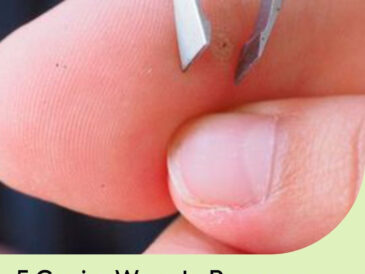
Then, use a small paring knife to make a very shallow slit along the back. You only need to cut deeply enough to expose the intestinal tract.
Look for a thin dark line running lengthwise through the opening.
Next, slide the tip of the knife underneath the tract and gently lift it upward. Once enough appears, pull it away with your fingers or the knife tip.
Sometimes the entire tract comes out in one piece. Other times, it breaks. If that happens, simply remove the remaining sections.
Afterward, clean away any visible residue and pat the shrimp dry.
Avoid making an unnecessarily deep cut. A shallow opening gives you access to the tract while helping the shrimp maintain its attractive shape.
Interestingly, shrimp also have another line along the underside. Home cooks generally do not remove that structure because it is not the same intestinal tract found along the back.
Once you finish, clean the knife, cutting surface, sink area, and anything else that contacted raw seafood. Then wash your hands thoroughly before touching cooked foods or other ready-to-eat ingredients.
How To Buy, Store, and Cook Shrimp Safely
Fresh and Frozen Shrimp Can Both Work Well
“Fresh” does not automatically mean better when buying shrimp. In many markets, shrimp displayed on ice may have previously been frozen.
Frozen shrimp can actually offer excellent convenience because freezing helps preserve quality during transportation and storage.
Instead of focusing only on the word “fresh,” consider the shrimp’s condition and how the seller handled it.