See also 🍊✨ Overnight Orange Roll Casserole – A Citrus-Lover’s Dream Breakfast!
Shrimp should not have a powerful unpleasant odor. A strong ammonia-like or sour smell can signal deterioration.
If you regularly cook shrimp, individually frozen raw shrimp can make meal preparation especially convenient. You can remove only the amount you need and keep the remainder frozen.
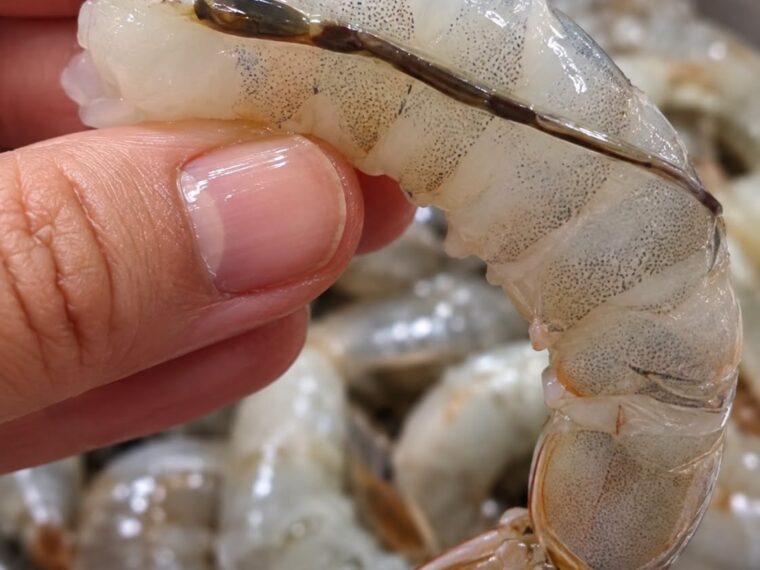
Packages labeled peeled and deveined save even more preparation time. Nevertheless, inspect the shrimp after thawing because small pieces of the tract can occasionally remain.
Keep raw shrimp cold until you are ready to prepare it. Additionally, separate raw seafood from vegetables, sauces, bread, and other foods that will not receive further cooking.
Do not use the same unwashed cutting board or utensils for cooked food after they have touched raw shrimp.
These basic handling habits provide far more meaningful protection than simply removing the dark intestinal tract.
Shrimp Cooks Surprisingly Fast
One of the biggest mistakes beginners make involves cooking shrimp for too long.
Shrimp cooks quickly because each piece is relatively small. Depending on its size and cooking method, it may need only a few minutes.
When sautéing, preheat the pan before adding the shrimp. Arrange the pieces in a relatively even layer rather than piling them together.
As they cook, shrimp generally become opaque and firmer. Their shape also changes.
Overcooked shrimp becomes tight, dry, and rubbery. Therefore, pay close attention once cooking begins instead of walking away from the stove.
Grilling works well for larger shrimp. Skewers can make smaller pieces easier to control on the grill.
Baking offers another convenient method. Arrange shrimp in a single layer so they cook evenly.
Boiling or poaching works particularly well for shrimp cocktail and chilled seafood dishes.
Regardless of the cooking method, safe handling remains important before and after cooking. Use clean utensils for cooked shrimp rather than utensils that held the raw seafood.
Also, refrigerate leftovers promptly instead of leaving cooked seafood sitting at room temperature for long periods.
Nutrition, Common Mistakes, and Who Needs Extra Care
Shrimp Provides Protein and Important Micronutrients
Shrimp offers substantial protein while remaining relatively low in calories and total fat when prepared without heavy breading or rich sauces.
It also supplies several useful micronutrients.
For example, shrimp contains selenium, vitamin B12, iodine, phosphorus, and other nutrients in varying amounts. Selenium contributes to normal antioxidant defenses, while vitamin B12 supports healthy nerve and blood cell function.
Iodine plays an important role in thyroid hormone production. However, individual nutritional requirements differ, so no single food should serve as the sole source of essential nutrients.
Shrimp also contains cholesterol. For many people, overall dietary patterns matter more than focusing on one individual food. However, anyone who has received specific dietary advice because of a medical condition should follow guidance from a qualified healthcare professional.
Preparation also changes the nutritional profile considerably.
Plain grilled, baked, boiled, or sautéed shrimp differs significantly from heavily breaded deep-fried shrimp or shrimp served in a rich cream sauce.
Likewise, sauces and seasoning blends can add substantial sodium.
Therefore, pair shrimp with vegetables, whole grains, beans, or other nutrient-rich foods when building a balanced meal.
Shrimp can provide useful nutrition, but it does not need exaggerated health claims to deserve a place on the menu.
Avoid These Common Shrimp Preparation Mistakes
Overcooking probably causes more disappointing shrimp than almost any other preparation mistake. Since shrimp cooks quickly, even a few unnecessary minutes can dramatically change its texture.
See also Lasagna Soup Recipe That Brings Comfort to Every Spoonful
Another common mistake involves cooking wet shrimp in a crowded skillet. Excess moisture prevents effective browning, while overcrowding traps steam.
Instead, dry the shrimp first and give each piece some room.
Improper thawing also creates problems. Leaving frozen seafood on the counter for extended periods exposes it to warmer temperatures. Instead, use the refrigerator or an appropriate cold-water method.
Cross-contamination presents a more serious concern. A cutting board that held raw shrimp should not immediately hold salad ingredients, cooked shrimp, or bread without proper cleaning.
People with shellfish allergies need additional caution. Shrimp can trigger serious allergic reactions, so anyone with a known shellfish allergy should follow medical guidance and avoid accidental exposure.
Pregnant people, older adults, young children, and people with weakened immune systems should also take food safety especially seriously and avoid raw or undercooked seafood.
Finally, do not assume that removing the intestinal tract makes raw shrimp safe to eat. Deveining improves appearance and may remove grit, but proper storage, handling, and cooking remain the critical safety steps.
