Is the black vein in shrimp actually poop?
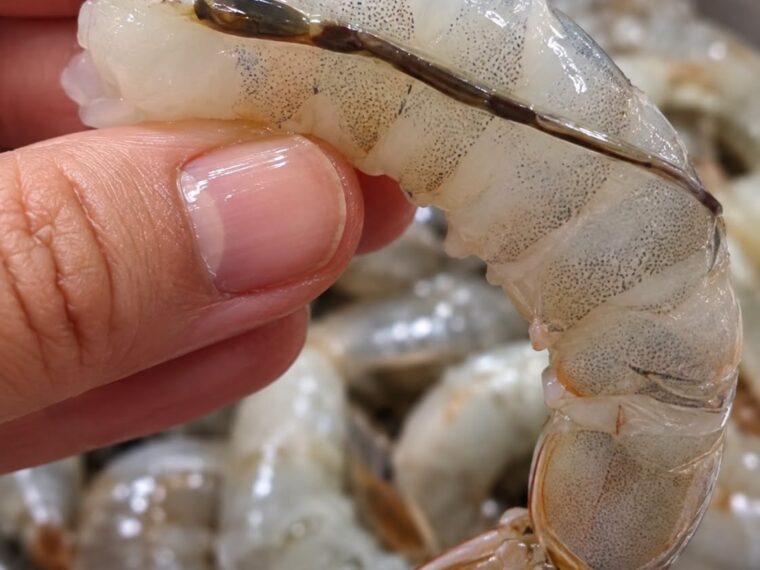
The dark line is the shrimp’s intestinal tract, so it can contain digestive material and waste. Its contents can vary, which explains why some shrimp have a very dark line while others have a barely visible one.
Will eating the black vein make you sick?
The intestinal tract itself does not automatically make properly handled and cooked shrimp dangerous. However, it can contain grit and may look or taste unpleasant. Food safety depends much more on proper storage, handling, and cooking.
Do you have to devein every shrimp?
No. Many people skip deveining very small shrimp because the intestinal tract is tiny and difficult to notice. With larger shrimp, removing it usually improves presentation and can prevent gritty texture.
Can I cook frozen shrimp without thawing it first?
Some cooking methods and packaged products allow shrimp to cook from frozen. However, thawing usually makes peeling, deveining, drying, seasoning, and even cooking easier. Follow the package directions when available.
How can I tell when shrimp is cooked?
Cooked shrimp becomes firm and opaque rather than translucent. Because shrimp cooks quickly, monitor it closely and avoid extended cooking that can make it rubbery. When food safety is uncertain, use appropriate temperature guidance rather than relying only on appearance.
Conclusion
How To Prepare Shrimp and Why You Shouldn’t Eat That ‘Black Vein’ comes down to understanding the difference between appearance and food safety.
That dark line along the shrimp’s back is its intestinal tract, not a blood vessel. Removing it can eliminate grit, improve presentation, and make the shrimp more appealing. However, accidentally eating it does not automatically make properly cooked shrimp harmful.
More importantly, handle raw shrimp safely from the moment you bring it home. Keep it cold, thaw it properly, prevent cross-contamination, clean preparation surfaces, and cook it appropriately.
Then avoid overcooking it. Shrimp needs relatively little time to become tender and flavorful.
Once you know these simple techniques, preparing shrimp becomes much less intimidating. A few extra minutes of careful cleaning and handling can give you attractive, tender shrimp that works beautifully in everything from salads and pasta to grilled dishes and simple seafood dinners.