- Pumpkin Spice Mocha Oatmeal Cake
- Fall Spice Chicken Enchilada Soup
- Spiced Cake with Cream Cheese Frosting
- Mango Muffins
- Air Fryer Cod Recipe: Crispy, Flaky, and Perfect Every Time 🐟✨
- Easy Cream Puffs That Turn Any Moment Into a Celebration
- FAMOUS RED LOBSTER SHRIMP RECIPE
- Crispy Air Fryer Cod That’s Golden, Flaky, and Irresistible
- Loaded Potato Soup That’s Creamy, Cozy, and Completely Satisfying
- Best Easy Sheet Pan Scored Potatoes Recipe for Crispy Perfection
- Throw Raw Russet Potato Slices Into the Slow Cooker and Watch Dinner Disappear
- Old Fashioned Pancakes Recipe: Fluffy, Golden, and Comforting

What Happens to Your Body When You Eat Purslane Every Day — Especially After 60
July 30, 2026 by Anna Keith Leave a Comment
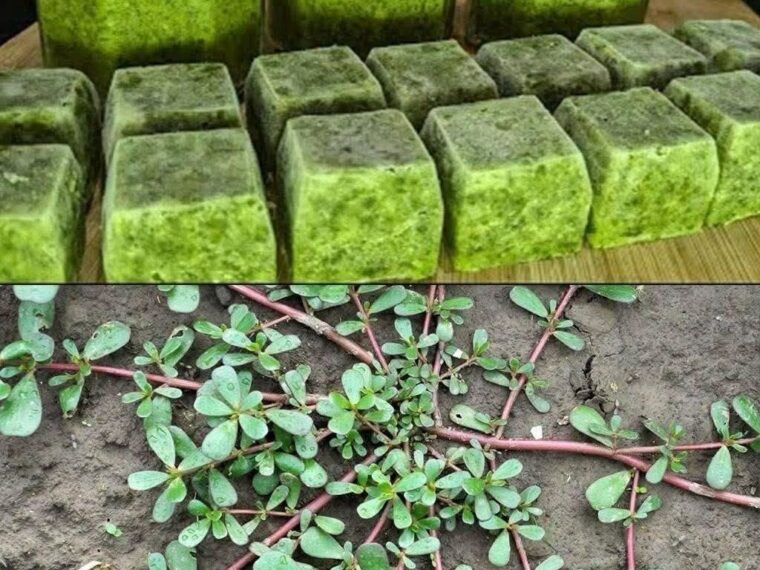
Purslane is a low-growing succulent found throughout much of the world.
It is recognized by:
- Thick reddish stems
- Small, smooth, fleshy green leaves
- Tiny yellow flowers
- A crisp texture with a mildly lemony, slightly peppery taste
It can be eaten:
- Raw in salads
- Blended into smoothies
- Sautéed like spinach
- Added to soups and stews
- Pickled
For centuries, it has been used in Mediterranean, Middle Eastern, Asian, and Mexican cuisines.
Why Is Purslane So Nutritious?
Despite its modest appearance, purslane contains a variety of nutrients, including:
- Vitamin A (beta-carotene)
- Vitamin C
- Vitamin E
- Magnesium
- Potassium
- Calcium
- Iron
- Dietary fiber
- Antioxidants
- Alpha-linolenic acid (ALA), a plant-based omega-3 fatty acid
Among leafy vegetables, purslane is notable for containing relatively high amounts of ALA, although it is not a replacement for marine sources of omega-3s such as salmon or sardines.
Potential Benefits of Eating Purslane Regularly
1. Supports Heart Health
The plant-based omega-3 fats in purslane may contribute to cardiovascular health when consumed as part of an overall healthy diet.
Its potassium content also helps support normal blood pressure by balancing sodium levels.
2. Provides Powerful Antioxidants
Purslane contains antioxidants including:
- Vitamin C
- Vitamin E
- Beta-carotene
- Glutathione
- Various polyphenols
These compounds help protect cells from oxidative stress, a normal process associated with aging.
3. Supports Eye Health
Vitamin A and beta-carotene help maintain healthy vision and support normal eye function.
These nutrients become increasingly important with age.
4. Promotes Healthy Digestion
The fiber in purslane helps:
- Support regular bowel movements
- Nourish beneficial gut bacteria
- Promote digestive comfort
5. May Help Maintain Healthy Bones
Purslane provides several minerals involved in bone health, including:
- Magnesium
- Calcium
- Potassium
Although these nutrients are beneficial, bone health also depends on adequate vitamin D, protein, physical activity, and overall nutrition.
6. Helps Maintain Hydration
Because purslane is naturally high in water, it contributes modestly to daily fluid intake while providing valuable nutrients.
Is Purslane Especially Helpful After Age 60?
As we age, maintaining muscle, bone, heart, and immune health becomes increasingly important.
Purslane may fit well into a healthy diet because it offers:
- Nutrient density with relatively few calories
- Fiber for digestive health
- Antioxidants that support healthy aging
- Minerals that contribute to normal muscle and nerve function
However, it should be viewed as one nutritious vegetable among many—not a miracle food.
Are There Any Risks?
Although purslane is safe for most healthy adults, there are a few considerations.
Oxalates
Purslane naturally contains oxalates.
People with a history of calcium oxalate kidney stones may need to limit foods high in oxalates or discuss appropriate portions with their healthcare provider.
Proper Identification
Never eat wild plants unless you are certain of their identification.
Some ornamental plants can resemble purslane but are not edible.
Washing Thoroughly
Like any leafy vegetable, purslane should be washed carefully to remove dirt, pesticides, or contaminants before eating.
Easy Ways to Add Purslane to Your Diet
You can enjoy purslane in many simple ways:
- Mix fresh leaves into salads.
- Blend a handful into fruit smoothies.
- Add it to vegetable soups.
- Stir it into scrambled eggs.
- Sauté it with garlic and olive oil.
- Use it as a topping for sandwiches or wraps.
- Mix it into grain bowls.
Its crisp texture and slightly tart flavor pair well with tomatoes, cucumbers, lemon juice, feta cheese, beans, and grilled fish.
Frequently Asked Questions
Can purslane cure diseases?
No. While purslane is highly nutritious, there is no evidence that it cures diseases. It works best as part of an overall healthy diet.
Is purslane better than spinach?
Each vegetable offers different nutritional advantages. Eating a variety of leafy greens provides the broadest range of nutrients.
Can you eat purslane every day?
Most healthy people can enjoy moderate amounts regularly as part of a varied diet. Those with kidney stone concerns should consult their healthcare provider because of the plant’s oxalate content.
Is cooked or raw purslane better?
Both are nutritious. Cooking softens the texture, while eating it raw preserves its crispness. Including both preparations can add variety to your meals.
The Bottom Line
Purslane is far more than a common garden weed. It is a nutrient-rich leafy vegetable that supplies vitamins, minerals, antioxidants, fiber, and plant-based omega-3 fatty acids.
For adults over 60, incorporating purslane into a balanced diet may support heart health, digestion, healthy aging, and overall nutrition. While it is not a miracle food or a substitute for medical care, it can be a flavorful and healthy addition to everyday meals.
Sometimes the most valuable foods are the ones growing quietly in places we least expect.