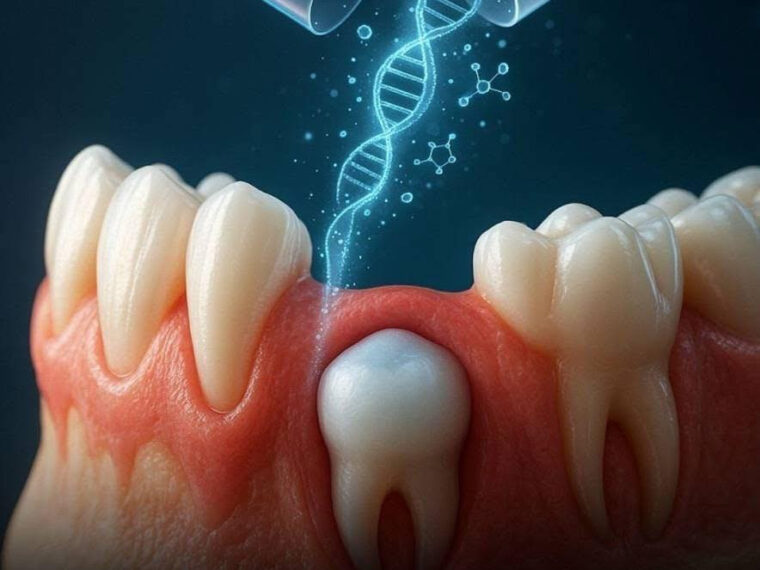
If this treatment proves successful, it could transform dentistry by offering a biological, permanent solution—your body simply regrows real teeth.
Other Innovations in Dental Regeneration
The excitement doesn’t stop in Japan. Around the world, scientists are exploring new ways to repair and regenerate teeth:
Keratin-based enamel repair: Researchers in the UK are developing eco-friendly dental treatments made from sheep’s wool and human hair that can repair weakened enamel. This may soon appear in toothpaste and gels.
Bioengineered teeth: Scientists at Tufts University have successfully grown teeth in pigs using hybrid cell technology, paving the way for human applications in the future.
Together, these innovations point toward a future where dental visits may focus less on repairing damage and more on regenerating natural teeth.
When Could Tooth Regrowth Be Available?
Experts estimate that, if trials continue successfully, the first patients could receive tooth-regrowth treatments by 2030. Children with congenital tooth loss are expected to benefit first, followed by adults dealing with missing teeth.
Final Thoughts
The idea that humans may soon regrow lost teeth is no longer science fiction. With ongoing clinical trials, breakthroughs in biomaterials, and advances in regenerative medicine, the future of dentistry looks brighter—and more natural—than ever before.
In just a few years, replacing lost teeth may not mean a trip to the dentist for implants, but a simple treatment that allows your body to grow them back naturally.