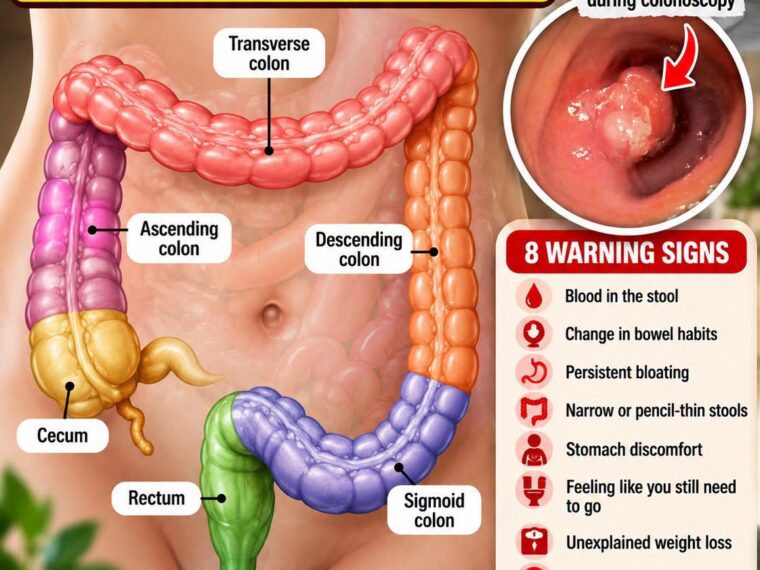
1. Notice What Is New or Unusual
The first step isn’t trying to diagnose yourself. It is simply noticing when something has changed.
A new lump, persistent cough, unexplained bleeding, unusual bowel or bladder changes, ongoing fatigue, unexplained weight loss, or a skin change can have many causes that have nothing to do with cancer. Most everyday symptoms are not cancer.
What matters is recognizing changes that are unusual for you, especially when they persist, worsen, or occur alongside other concerning symptoms.
2. Write Down the Details
Instead of relying on memory, keep a simple record.
Write down:
- When the symptom started
- How often it happens
- Whether it is getting better or worse
- What makes it better or worse
- Any other symptoms that appeared around the same time
- Any medications or supplements you recently started
- Anything else that seems noticeably different
These details can make a medical appointment much more productive.
3. Know the Less-Obvious Changes Worth Discussing
Cancer can sometimes produce symptoms that seem unrelated to cancer at first. Depending on the type and location of a cancer, possible warning signs can include:
- Persistent or unexplained fatigue
- Unexplained weight loss or loss of appetite
- A lump or swelling that does not go away
- Persistent pain without an obvious explanation
- A cough or hoarseness that doesn’t improve
- Difficulty swallowing
- Persistent indigestion or abdominal discomfort
- Changes in bowel habits
- Blood in the stool or urine
- Unusual vaginal bleeding
- A sore that doesn’t heal
- Changes in an existing mole or a new unusual skin growth
- Persistent night sweats or unexplained fevers
- Repeated infections or other unexplained changes in health
This is not a checklist for diagnosing cancer. Many of these symptoms are far more commonly caused by infections, inflammation, medications, hormonal changes, digestive problems, or other conditions.
The important message is simply this: a symptom that persists deserves attention rather than dismissal.
See also Amish Neighbor Cheesy Potatoes Recipe That Everyone Loves
4. Pay Attention to Persistence
One strange day doesn’t automatically mean something is wrong.
A cough after a cold, a headache after a stressful week, or temporary stomach trouble may resolve on its own.
But when a symptom continues without a clear explanation, repeatedly returns, or gradually becomes worse, that’s when it makes sense to speak with a healthcare professional.
You don’t have to wait until something becomes severe before asking questions.
5. Don’t Try to Diagnose Yourself From a List
This is perhaps the most important step of all.
Reading about dozens of possible cancer symptoms online can quickly become frightening because many symptoms overlap with ordinary illnesses.
Fatigue can come from poor sleep.
Back pain can come from a strained muscle.
A cough can come from allergies or an infection.
Weight changes can have many causes.
Even a lump may turn out to be completely benign.
A symptom list should be a prompt to pay attention, not a reason to assume the worst.
6. Bring Your Questions to the Doctor
When you make an appointment, be straightforward.
You might say:
“I’ve noticed this change for several weeks, and it isn’t going away. I’d like to understand what might be causing it.”
Then ask what your clinician recommends.
Useful questions include:
- What are the most likely causes?
- Are there warning signs I should watch for?
- Do I need any tests?
- If we don’t test immediately, when should I follow up?
- What would make you want to investigate this further?
You don’t need to arrive with a diagnosis. You simply need to communicate clearly what has changed.
More Than 40 Symptoms? Think in Categories, Not Fear
The internet is full of lists claiming to reveal “40 hidden signs” or “50 secret symptoms” of cancer.
The problem is that cancer isn’t one disease with one predictable collection of symptoms. There are many different cancers, and their signs can vary enormously.