See also Crockpot Garlic Parmesan Chicken Pasta: The Ultimate Creamy Comfort Food
Instead of memorizing a giant list, it is more useful to remember a few broad categories of changes:
Unexplained Changes
Persistent weight loss, ongoing fatigue, unexplained fever, or repeated night sweats may deserve medical attention when there is no obvious explanation.
New Lumps or Swelling
A new lump anywhere on the body should be evaluated if it persists, grows, becomes painful, or otherwise concerns you.
Persistent Respiratory Symptoms
A cough, hoarseness, chest discomfort, or difficulty breathing that persists should be discussed with a healthcare professional, particularly when it has no clear explanation.
Digestive or Bowel Changes
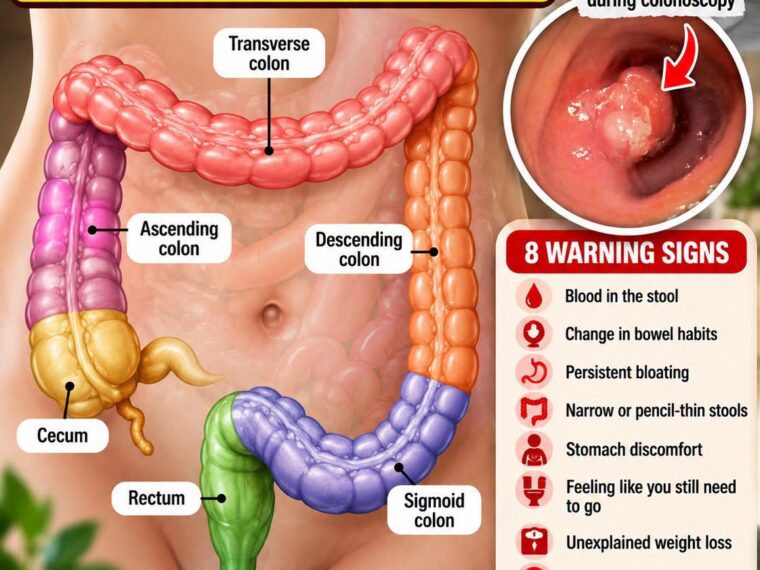
Long-lasting changes in bowel habits, difficulty swallowing, persistent abdominal discomfort, or unexplained blood in the stool should not simply be ignored.
Urinary Changes
Blood in the urine or persistent changes in urination can have many causes, but they deserve medical evaluation.
Skin Changes
Pay attention to new or changing moles, unusual growths, sores that don’t heal, or other persistent changes in the skin.
Unusual Bleeding
Bleeding that is unexpected or unexplained, including blood in the stool or urine or unusual vaginal bleeding, should be discussed with a healthcare professional.
Persistent Pain
Pain that doesn’t have an obvious explanation, keeps returning, or progressively worsens deserves attention rather than being automatically blamed on aging.
When to Seek Prompt Medical Attention
Some symptoms should not be put off while waiting for a routine appointment.
Seek urgent medical care for symptoms such as severe difficulty breathing, significant bleeding, sudden neurological symptoms, severe chest pain, fainting, or other rapidly developing symptoms that could indicate an emergency.
These situations aren’t necessarily cancer-related. They simply require prompt medical assessment.
Your Best Health Tool Is Not Fear
There is a tendency online to turn ordinary symptoms into frightening predictions.
See also Chicken and Stuffing Casserole
That’s not helpful.
Your body is constantly changing, and most changes are not signs of cancer. The goal isn’t to become suspicious of every ache, cough, or tired morning.
The goal is to become familiar with your own baseline.
When something genuinely unusual happens, you notice it.
When it persists, you document it.
When you’re concerned, you ask about it.
And when a healthcare professional recommends an evaluation, you follow through.
That is what being your own health advocate really means.
A Gentle Reminder About Cancer Screening
Symptoms aren’t the only reason to see a healthcare professional.
Age-appropriate screening can sometimes detect certain cancers before symptoms develop. The appropriate screening schedule depends on factors such as age, sex, personal and family history, and other individual risk factors.
That’s why it’s worth asking your healthcare professional which screenings are appropriate for you rather than relying on internet checklists.
Early detection doesn’t mean every cancer can be prevented or cured, but finding certain cancers earlier can make treatment more effective.
The Most Important Thing to Remember
You don’t need to become frightened by every unusual sensation.
You simply need to become a little more attentive.
Your body doesn’t always speak loudly. Sometimes it gives you a small change that deserves a question rather than a dismissal.
So keep that little health journal nearby. Write things down. Know your normal. Keep up with recommended screenings. And when something doesn’t seem right, give yourself permission to ask for professional advice.
Not because you should expect the worst.
Because you deserve to understand what is happening in your own body.
And sometimes, the most proactive thing we can do for ourselves is simply to say:
“This is different from usual. I’m going to get it checked.”