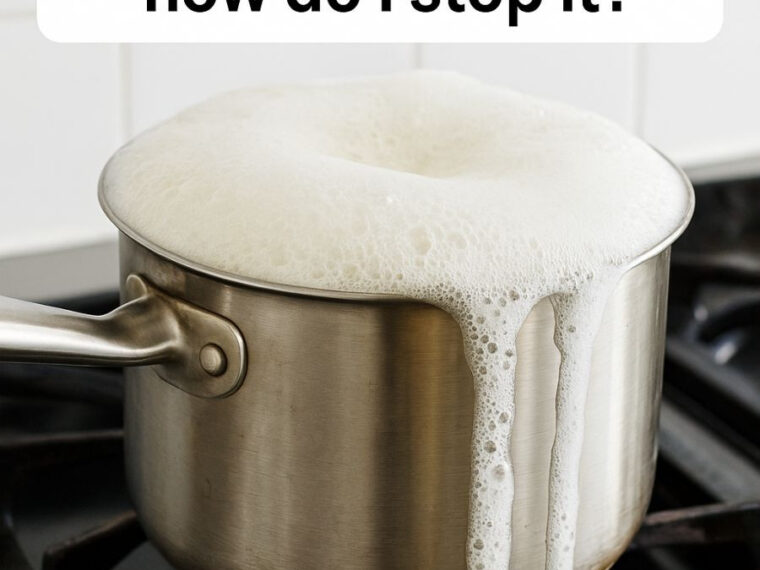
Cooking rice should be a straightforward task, but anyone who’s cooked it knows that rice water boiling over is a common annoyance. This happens when the starch from the rice creates a thick foam that rises quickly and spills over the pot, leaving a sticky mess on your stovetop. Fortunately, there are several strategies you can employ to prevent this from happening.
In this article, we will explore the reasons why rice water boils over and provide detailed solutions to keep your cooking process smooth and mess-free. Whether you’re a novice cook or a seasoned chef, understanding these tips will help you achieve perfectly cooked rice every time.
1. Why Rice Water Boils Over in the First Place
Rice water boils over primarily due to the presence of starch. When rice is cooked, the heat causes starch granules to swell and release, creating a foamy layer on the surface. As the water heats up, steam bubbles form and push this starch-laden foam upwards, often causing it to spill over the pot.
The problem is exacerbated by using pots that are too small or filling them too high with water, which leaves little room for expansion. Additionally, cooking at too high of a temperature can cause the water to boil too vigorously, increasing the likelihood of a spillover.
2. Rinse the Rice to Cut Down on Starchy Foam
Rinsing rice before cooking is a simple yet effective way to reduce the amount of surface starch that contributes to boiling over. Place the rice in a fine-mesh strainer and rinse under cold running water, gently swirling the rice with your hand until the water runs clear. This usually takes about 2-3 minutes.
By removing excess starch, you lower the amount of foam produced during cooking, which decreases the chances of a boil-over. This method is particularly effective for varieties like jasmine or basmati rice, which have a higher starch content.
3. Use a Bigger Pot and More Headspace
Using a larger pot provides additional headspace for the rice and water to expand. A good rule of thumb is to fill the pot only halfway with water and rice combined, leaving plenty of room for the water to rise and bubble without spilling over.
If you typically cook 1 cup of rice, consider using a pot that can hold at least 2 quarts. This simple adjustment can significantly reduce the likelihood of boil-overs by providing ample space for the starchy foam to expand safely.
4. Control the Heat: Gentle Simmer, Not a Rolling Boil
Controlling the heat is crucial to preventing rice water from boiling over. Once the water reaches a boil, reduce the heat to maintain a gentle simmer. A vigorous boil produces more steam and agitates the water, which increases the likelihood of a spillover.
By keeping the water at a steady simmer, you reduce the formation of large bubbles and help the starch foam settle. This method not only prevents messes but also ensures the rice cooks evenly and retains its texture.
5. Use the Right Water-to-Rice Ratio
Using the correct water-to-rice ratio is essential for achieving perfectly cooked rice without boil-overs. For most types of white rice, a common ratio is 1 cup of rice to 1.5 to 2 cups of water. For brown rice, you might need up to 2.5 cups of water per cup of rice.
Too much water can cause excessive foaming and increase the risk of boiling over, while too little can result in undercooked rice. Adjusting the ratio according to the rice variety and your cooking method can help you avoid common pitfalls.
6. Don’t Skip the Lid Tricks: Venting, Tilting, and Partial Covers
The way you use the lid can influence whether or not your rice boils over. Leaving a small gap or venting the lid allows steam to escape, reducing pressure inside the pot. You can achieve this by tilting the lid slightly or using a lid with a built-in vent.
Alternatively, you can cover the pot partially rather than sealing it completely. This method allows steam to escape while still trapping enough heat to cook the rice thoroughly. Experiment with different lid positions to find what works best with your pot and stove.
7. Stir at the Start to Break Up Surface Starch
Stirring the rice at the beginning of cooking can help break up the surface starch that contributes to foam formation. After adding rice to boiling water, give it a quick stir to separate the grains and distribute the starch evenly.
This simple step can prevent the formation of a thick starch layer on the surface, minimizing the risk of boil-overs. Just be sure not to over-stir, as this can lead to mushy rice.
8. Add a Splash of Oil or Butter to Tame the Foam
Adding a small amount of oil or butter to the cooking water can help reduce foaming. The fat interacts with the starch, breaking down the bubbles and preventing them from rising too high.
A teaspoon of oil or a small knob of butter is usually sufficient for this purpose. Not only does this trick help control foam, but it can also add a subtle richness to the cooked rice.
9. Try the Viral Wooden Spoon Hack — and Its Limits
One popular kitchen hack is placing a wooden spoon across the top of the pot to prevent boil-overs. The theory is that the spoon breaks the surface tension and pops the bubbles before they spill over.
While this method can be somewhat effective, its success largely depends on the pot size and cooking temperature. It is not foolproof, so it’s best used in conjunction with other preventative measures.
Continued on next page