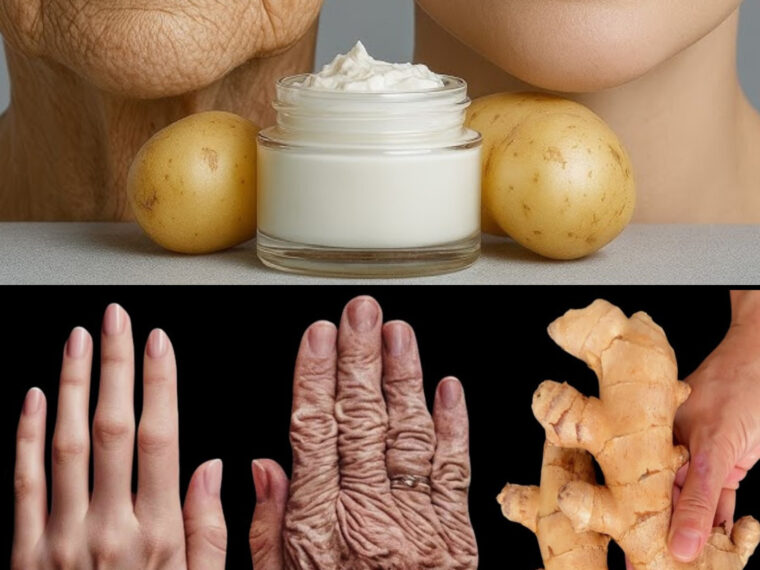
you glance in the mirror one morning and pause. That tiny brown spot near your cheekbone wasn’t there last year. Another one seems to have appeared on your hand. You touch it, hoping it’s just a shadow. But no — it’s an age spot.
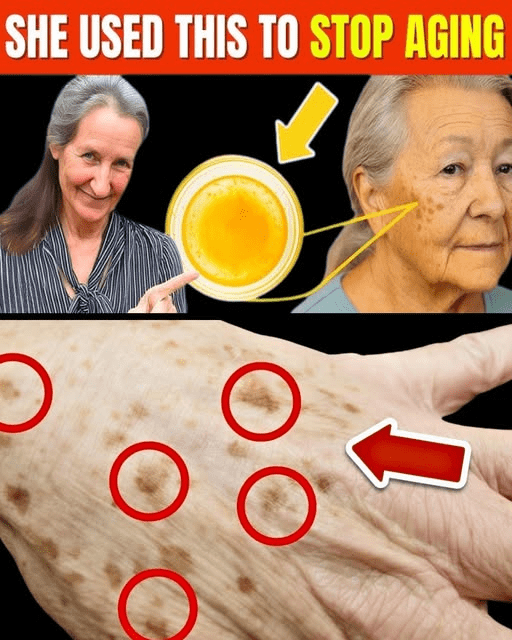
Maybe you’ve tried lightening creams, scrubs, or even home remedies, only to find little change. You’re not alone. More than 70% of people over 50 notice new dark spots each year — yet few realize the power to fade them may already be in their kitchen cabinet.
Here’s the truth: age spots aren’t permanent. And there’s one specific vitamin that has shown remarkable potential to reduce their appearance, naturally helping your skin look brighter, smoother, and more even-toned.
It’s time to uncover the real secret doctors and skincare professionals have quietly known for decades.
The Real Reason Age Spots Appear
Age spots — or “sun spots” — aren’t just a sign of getting older. They’re the result of a lifetime of tiny sun exposures. Every time sunlight touches your skin, cells called melanocytes produce pigment to protect it. Over years, these pigment cells go into overdrive, clustering in small patches.
Add slower cell turnover with age, and your skin simply doesn’t shed those darkened cells as fast as it once did. The result? Those stubborn brown marks that refuse to fade.
But here’s the good news: your skin can renew itself. It just needs the right fuel — and that’s where vitamins come in.
The Vitamin That Changes Everything
Of all the nutrients that support healthy skin, Vitamin C stands above the rest.
Often called the “brightening vitamin,” Vitamin C may help inhibit melanin production, which is the pigment responsible for age spots. Over time, it can lighten existing spots and prevent new ones from forming.
But that’s just part of its magic. This antioxidant also supports collagen production — the protein that keeps your skin firm and youthful. So while it fades discoloration, it can also reduce fine lines and improve texture.
The result? A fresher, smoother, more radiant complexion that doesn’t just look younger — it feels alive again.
Why Most People Miss Its Full Potential
You may be thinking, “I’ve used Vitamin C creams before — they didn’t work!”
That’s because not all Vitamin C is created equal. The form, concentration, and timing matter. The purest and most effective type is L-ascorbic acid, but it’s also the most unstable — it breaks down easily when exposed to air or light.
Old doctors knew this long before it was bottled into serums. They used Vitamin C-rich foods — fresh citrus, papaya, rosehip oil — and combined them with natural oils or honey at night. This kept the vitamin active long enough to nourish the skin deeply.
So yes, Vitamin C works. But only when used correctly — and consistently.