6. Fertilizing for Healthy Growth
Indoor blueberries benefit from regular feeding, especially in containers where nutrients wash out easily. Use a fertilizer formulated for acid-loving plants, such as those made for azaleas or rhododendrons.
Fertilize once a month from early spring to mid-summer.
Avoid over-fertilizing, as this can lead to excessive leaf growth and poor fruiting.
Organic options like fish emulsion, compost tea, or seaweed extract are also excellent choices.
7. Pruning and Maintenance
Prune your indoor blueberry plant lightly to keep its shape compact and to encourage airflow and healthy growth.
Remove any dead or weak stems.
In the second year, start thinning older branches to stimulate new growth.
Avoid heavy pruning in the first year to let the plant establish.
Also, watch for any signs of pests or disease. Though rare indoors, spider mites or fungal spots may appear if the air is too dry or stagnant.
8. Simulate Winter Chill for Better Harvests
Most blueberry varieties require a chilling period to fruit well. If you live in a warm climate or keep the plant indoors year-round, you’ll need to mimic winter dormancy:
In late fall, move the pot to a cool location (35–45°F / 1–7°C) like a garage or unheated porch.
Let the plant “rest” for about 400–800 chilling hours, depending on the variety.
Reduce watering during this period.
Afterward, bring it back into warmth and light, and it will begin to grow again in spring.
9. Harvesting Your Indoor Berries
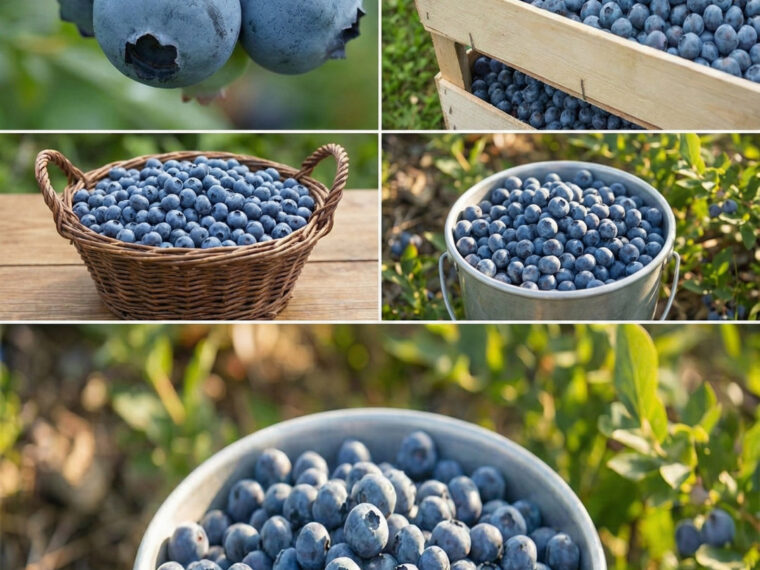
Blueberries ripen about two months after flowering. Wait until the berries turn fully blue and slightly soft before picking. Ripe berries will detach easily when gently tugged.
Harvest regularly to encourage more production, and enjoy them fresh, in smoothies, or baked into delicious treats.
Conclusion
Growing blueberries indoors is both rewarding and practical. With the right variety, acidic soil, plenty of light, and proper care, you can enjoy sweet, homegrown berries in your own living space. Not only will you have a fresh supply of nutritious fruit, but your thriving blueberry plant is sure to be a talking point—and maybe even make your neighbors a little envious.
