Symbolism, Not Commandment
It is important to note, however, that Scripture does not issue a direct command requiring burial or forbidding cremation. While burial is described consistently, it is never presented as the only acceptable choice.
This distinction matters. The Bible often teaches through story and symbolism rather than rigid instruction. Burial became the norm in biblical times because of culture, climate, and custom.
Its meaning developed over generations, tied closely to ideas of honor, remembrance, and hope in resurrection.
For many believers today, burial still carries that same meaning. For others, the symbolism can be honored in different ways without diminishing faith.
God’s Power Beyond Physical Circumstances
One of the most reassuring themes in Scripture is the boundless power of God. Throughout history, faithful individuals have faced circumstances where traditional burial was impossible. Some were lost at sea. Others perished in fires, disasters, or war. Yet their hope was never described as diminished.
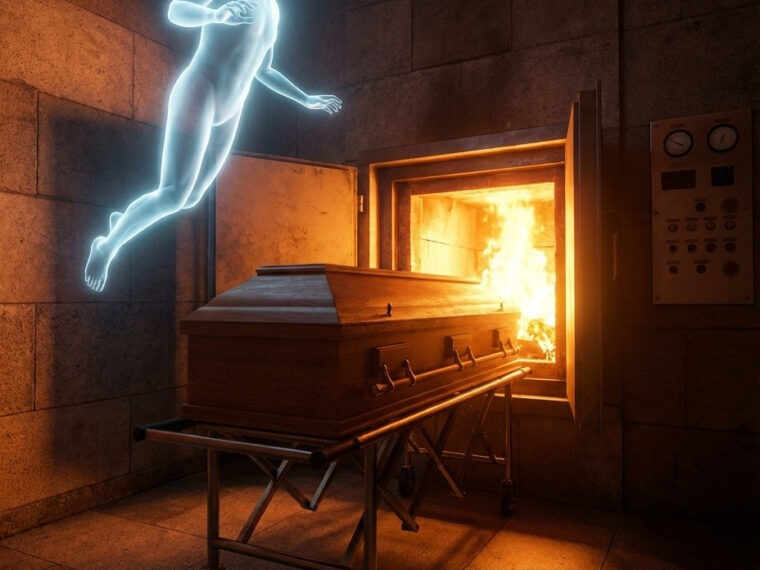
Scripture consistently points to a Creator whose authority is not limited by physical form or condition. The promise of restored life is rooted in divine power, not in the preservation of human remains.
This truth has brought comfort to countless families who faced difficult or unexpected circumstances.
From this perspective, the method of laying the body to rest becomes secondary to the belief that life extends beyond earthly limits.
Intention and Meaning Matter Most
Many pastors and faith leaders emphasize intention over technique. The heart behind the decision often carries more spiritual weight than the method itself.
Some families choose cremation because it is simpler. Others do so because of cost, location, or personal preference. Still others may select it to honor a loved one’s wishes. These decisions are usually made thoughtfully, prayerfully, and with respect.
Concerns tend to arise only when choices are made in a way that dismisses or contradicts deeply held beliefs about resurrection or spiritual continuity. In contrast, when cremation is chosen with reverence and trust, many faith communities view it as compatible with belief.
The Role of Conscience in Faith Decisions
Churches across denominations increasingly encourage believers to follow their conscience when making end-of-life decisions. This guidance reflects a broader biblical principle: faith is lived out through sincerity, humility, and trust rather than rigid rule-keeping.
Respect for the body remains important, regardless of the method chosen. Memorial services, prayers, and remembrance provide opportunities to honor life and affirm hope. Whether ashes are present or a casket rests at the front of a sanctuary, the focus remains the same.
The gathering of loved ones, the sharing of stories, and the affirmation of faith are what bring meaning to these moments.
Addressing Common Concerns
Some believers worry that cremation may interfere with the idea of resurrection. This concern is understandable, especially for those raised with strong burial traditions.
Yet Scripture offers reassurance that resurrection is not dependent on physical preservation.
The same God who formed life from dust is fully capable of restoring life beyond human understanding. Faith rests not in the condition of the body, but in the promise of renewal.
Others worry about departing from tradition. Here, too, gentle reflection can help. Traditions guide and comfort us, but they are meant to serve faith, not replace it. When traditions evolve thoughtfully, they can still reflect deep spiritual truth.
A Conversation Rooted in Hope
Ultimately, discussions about cremation and faith are less about physical processes and more about where hope is placed. For people of faith, lasting assurance does not rest in the ground or in ashes.
It rests in the promise of life beyond this world.
This hope speaks of continuity, restoration, and reunion. It points toward a future shaped not by earthly limitations, but by divine grace.
As believers consider their own wishes or support loved ones through these decisions, they are invited to focus on what Scripture emphasizes most: trust, reverence, and hope that reaches beyond what we can see.
In the end, faith reminds us that what truly matters is not how the body is laid to rest, but how the soul rests in the assurance of something greater still.