- Cold exposure: Wear insulated gloves (even indoors if your home is chilly).
- Stress: Practice slow breathing—it can reduce episodes.
- Caffeine & nicotine: Both constrict blood vessels—cut back if you use either.
3. Improve Circulation
- Wiggle fingers, swing arms in circles, or do light hand exercises to encourage blood flow.
- Stay warm overall: Cold core = colder hands. Wear layers, warm socks, and a hat.
 Prevention Is Key—Protect Your Hands Proactively
- Always wear gloves when going outside (even for short trips).
- Use hand warmers in pockets or gloves during cold weather.
- Keep your home warm—avoid drafty rooms or cold surfaces (like metal countertops).
- Consider thermal-lined gloves for extra protection (look for “Raynaud’s gloves” online).
 When to Seek Medical Help Sooner (Even Without a Regular Doctor)
While Raynaud’s is often benign (“primary Raynaud’s”), see a healthcare provider as soon as you can if you notice:
- Sores, ulcers, or skin breakdown on fingers
- One hand affected more than the other
- Symptoms spreading to other body parts
- Joint pain, rash, or fatigue (signs of autoimmune disease like lupus or scleroderma)
Until then:
- Track your symptoms: Note triggers, duration, and which fingers are affected.
- Try over-the-counter support: Some find ginger or ginkgo biloba helpful for circulation (check with a pharmacist first if you take other meds).
- Avoid vasoconstrictors: Like decongestants (pseudoephedrine) or beta-blockers if possible.
 The Bottom Line
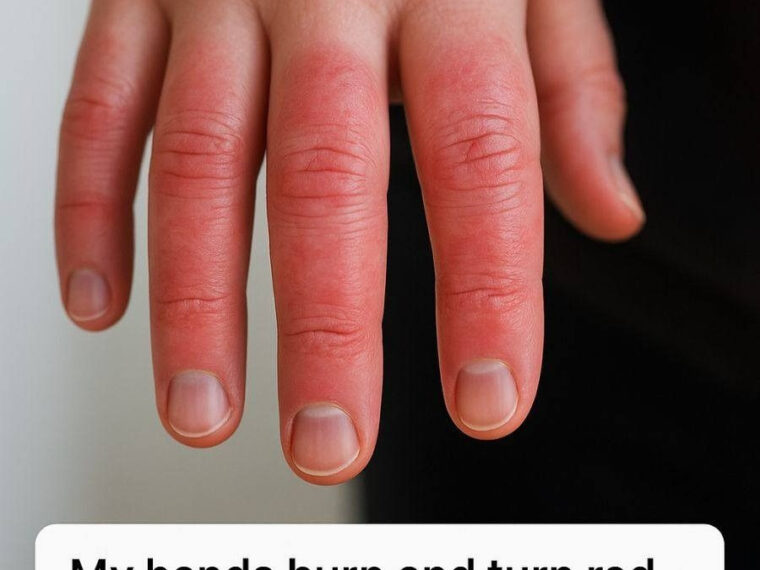
What you’re experiencing is very common and often manageable with lifestyle changes—but it does deserve medical evaluation to rule out secondary causes. In the meantime, gentle warming, consistent hand protection, and avoiding triggers can bring real relief.
“Your body isn’t failing you—it’s signaling that it needs extra care in the cold.”
Be kind to your hands, keep them cozy, and prioritize that doctor visit when you’re able. You deserve to feel comfortable in your own skin—even in winter.