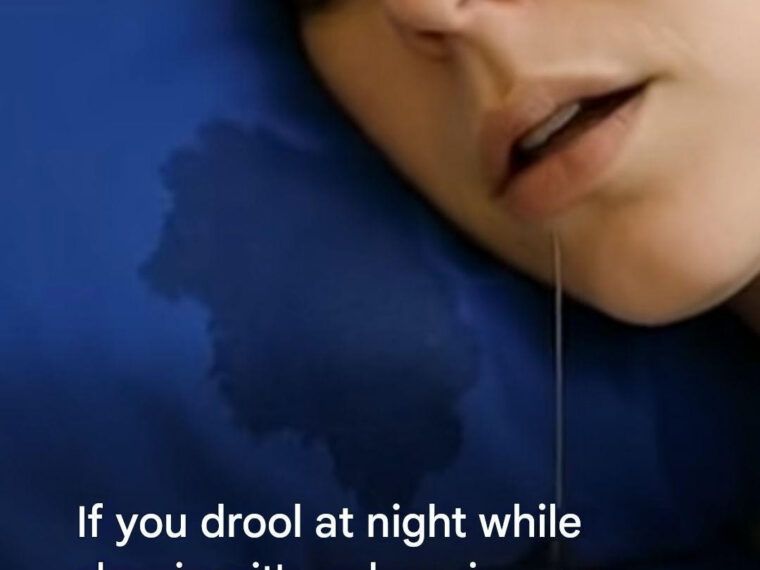
Change position to reduce drooling (7/12)
Changing your sleeping position, especially sleeping on your back, can reduce nighttime drooling. Using a supportive pillow can make this transition easier.

Treating respiratory problems (8/12)
Treating breathing problems with decongestant sprays or antihistamines can help reduce nighttime drooling. A medical diagnosis is essential for sleep apnea.

Reducing excessive salivation during meals (9/12)
Avoiding spicy or acidic foods can reduce excessive salivation. Consulting a doctor for appropriate treatments for gastroesophageal reflux is advised.

Exercises for neurological disorders (10/12)
Orofacial exercises under medical supervision can improve muscle control for those suffering from neurological disorders, thus reducing drooling.

Medical solutions for severe hypersalivation (11/12)
In severe cases of hypersalivation, botulinum toxin injections or surgical interventions may be considered to reduce saliva production.

Consult a doctor for chronic drooling (12/12)
Consulting a doctor is crucial if nighttime drooling becomes chronic or interferes with quality of life, to identify the cause and choose the right treatment.


